
Why PMS Matters More Than Ever in Hospitality
In today's competitive hospitality landscape, small and mid-size hotel owners are increasingly relying on Property Management Systems (PMS) to stay ahead. Whether you're running a boutique hotel, a B&B, or a chain of mid-scale resorts, a PMS acts as your digital operations hub. From guest check-ins to housekeeping schedules, everything is streamlined into one interface, helping hoteliers reduce manual errors, save time, and enhance guest experiences.
The global hospitality market expanded from $4.673 trillion in 2023 to $4.993 trillion in 2024, representing a compound annual growth rate (CAGR) of 6.8%—making efficient operations more crucial than ever.
What Is a PMS, Really?
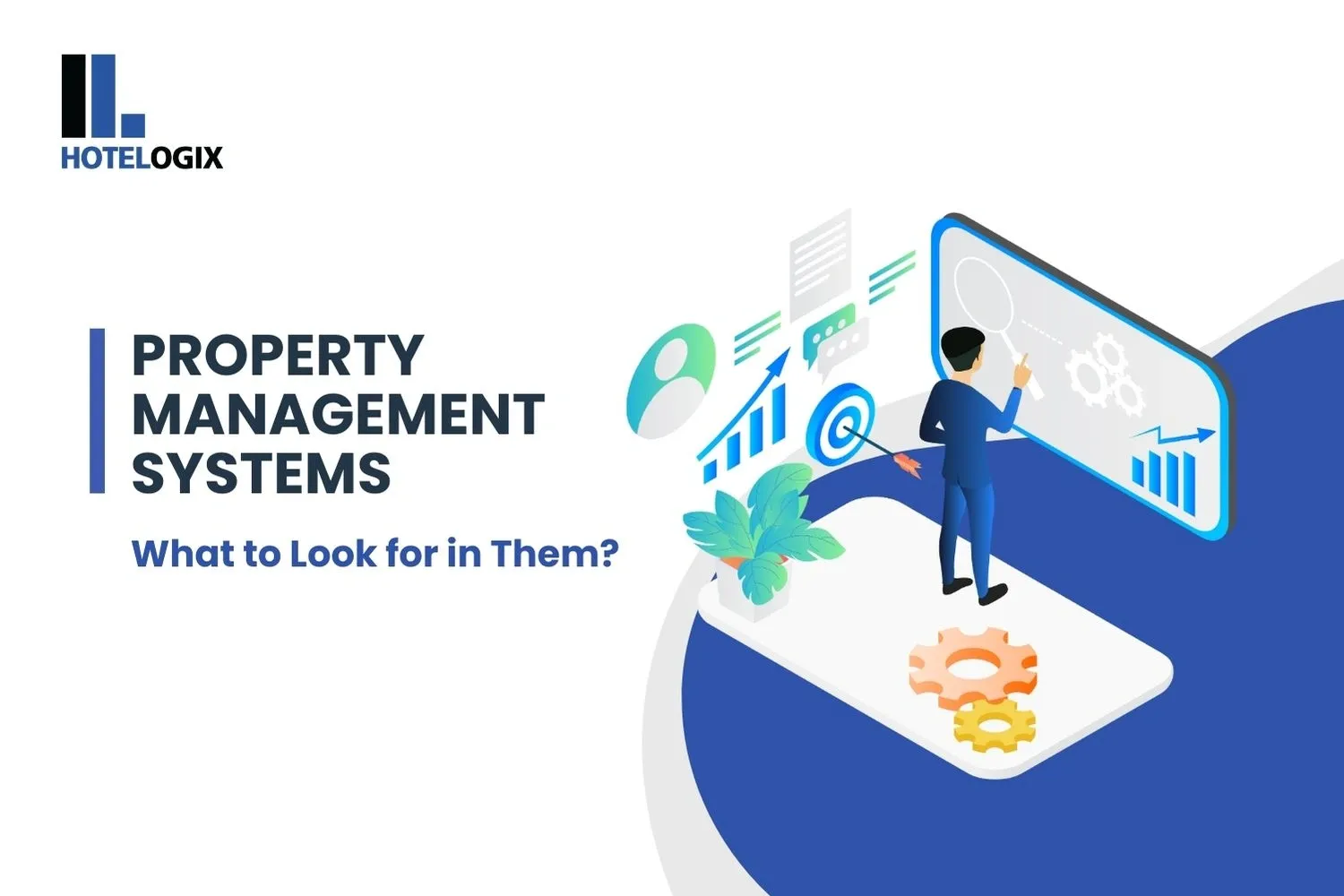
A Property Management System is more than just software. Think of it as the command center of your hotel. It helps you manage reservations, room inventory, billing, reporting, housekeeping, and guest profiles – all from a single dashboard.
Key Features Every Hotelier Should Look For
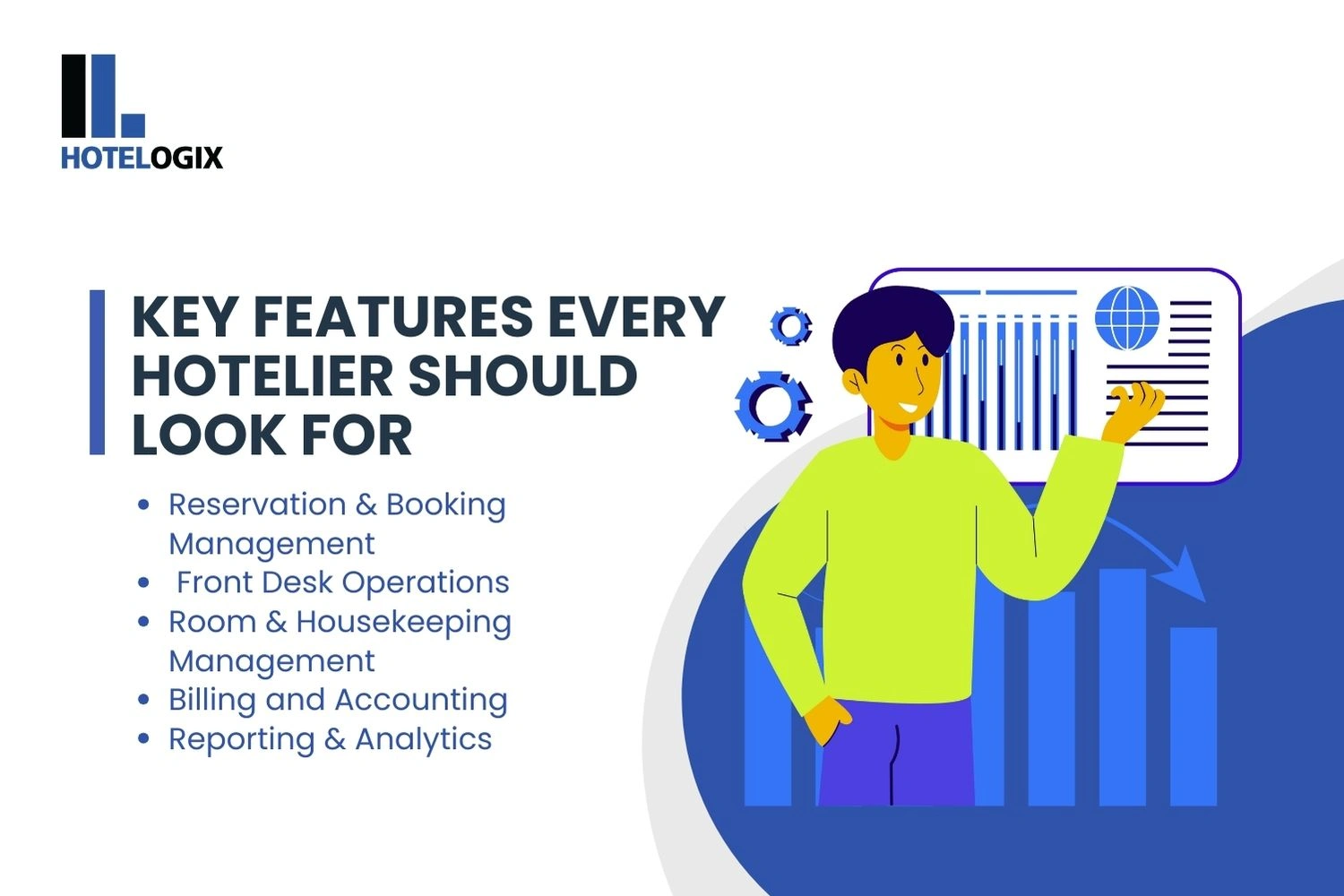
1. Reservation & Booking Management
Your PMS should make handling reservations effortless, whether they come from your website, phone calls, or OTAs like Booking.com or Airbnb.
Must-Have Capabilities:
- Real-time room availability updates
- Integrated OTA/channel manager
- Automated confirmation emails
- Group and corporate booking support
- Waitlist management
2. Front Desk Operations
Speed and simplicity at the front desk can drastically improve guest satisfaction.
Look For:
- Drag-and-drop calendar views
- Contactless check-in/check-out
- ID scanning and e-document capture
- Early check-in and late check-out handling
Did you know? In 2022, 60% of hoteliers reported using a standard check-in process with front desk agents, while 40% used some type of self-serve options. This shift towards automation continues to accelerate in 2025.
3. Room & Housekeeping Management
Keep your rooms guest-ready at all times with built-in room status tracking and housekeeping workflows.
4. Billing and Accounting
Ensure accurate financial tracking, even during the busiest seasons.
Essential Functions:
- Split billing for groups
- Folio generation
- Payment gateway integrations (credit cards, UPI, PayPal, etc.)
- Night audit functionality
- Integration with external accounting software like QuickBooks or Tally
5. Reporting & Analytics
Make smarter decisions with data-backed insights.
Emerging Trends in PMS (2025 Edition)
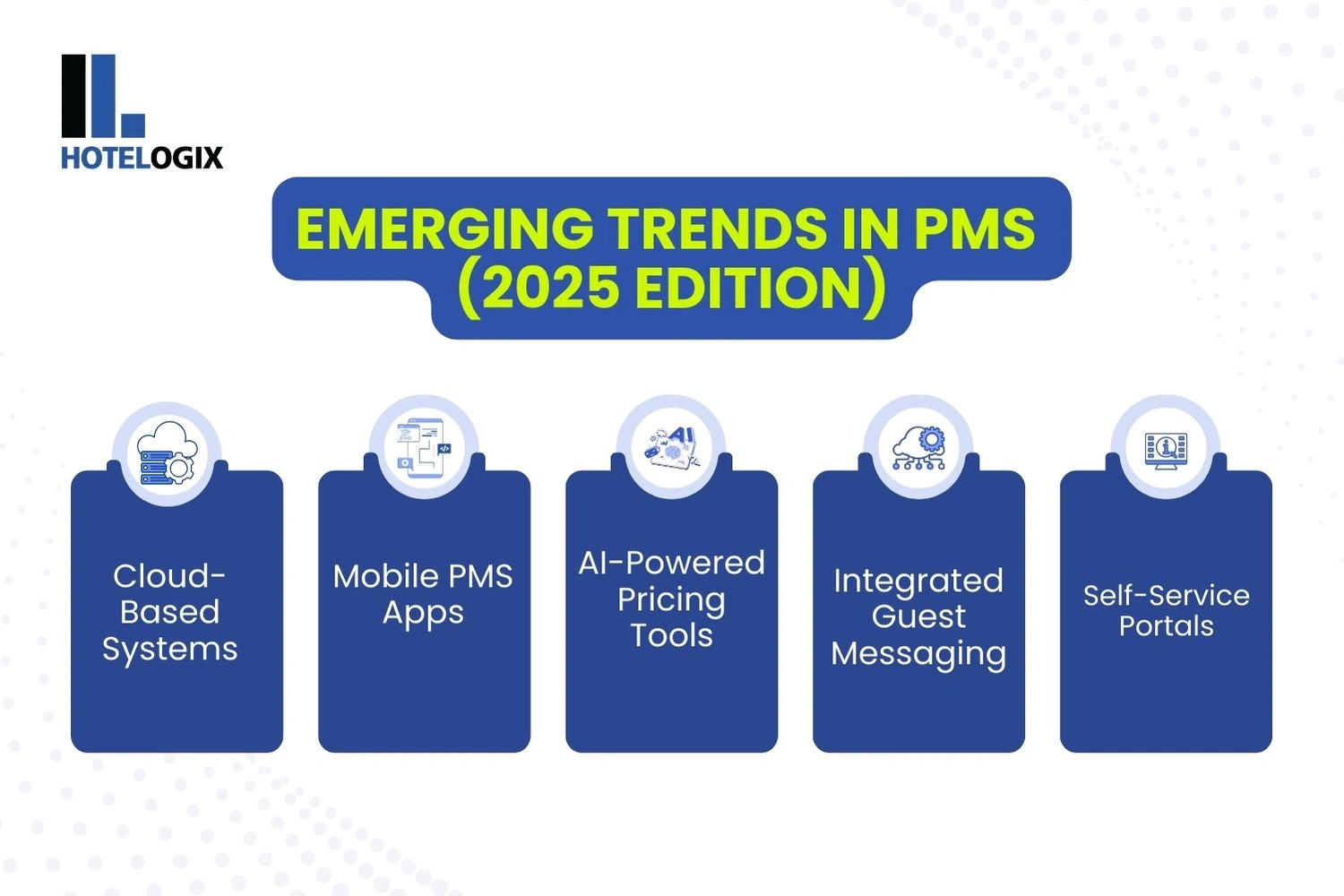
Hospitality is evolving, and so should your software. Here are the latest features shaping modern PMS solutions:
- Cloud-Based Systems: Access your hotel dashboard anytime, anywhere.
- Mobile PMS Apps: Empower your staff to manage operations on the go.
- AI-Powered Pricing Tools: Automatically adjust rates based on demand and integrate with your revenue management system for real-time profitability insights.
- Integrated Guest Messaging: Chat with guests via WhatsApp or SMS directly from the PMS.
- Self-Service Portals: Allow guests to check-in, upgrade rooms, and make requests without staff intervention.
Guest Profile & CRM Capabilities
Personalization is key in hospitality. Your PMS should store guest preferences, past stay history, and special requests.
Key Features:
- Guest profile creation and search
- Notes on preferences, anniversaries, special occasions
- Loyalty program management
- Automated emails for birthdays, anniversaries, etc.
Choosing the Right PMS: Step-by-Step Guide for Hoteliers
Product Focus: What Sets a Great PMS Apart
While a standard PMS will handle day-to-day operations like bookings, check-ins, and billing, a great system goes a step further—it actively helps you grow your business, reduce operational friction, and deliver better guest experiences. Modern hoteliers need more than just a digital logbook; they need a tool that thinks ahead, saves time, and adapts to fast-changing market demands. That’s where high-performance PMS platforms come in, offering advanced tools that bring real-time automation and smarter decision-making to the forefront.
-Dynamic pricing engine – Automatically adjusts room rates based on demand, occupancy, and competitor pricing.
- Integrated channel management – Keeps inventory and pricing synced across all OTAs and your direct booking engine.
- Smart housekeeping scheduler – Assigns tasks, updates room status in real-time, and improves room readiness.
- Role-based access – Ensures staff only see and manage what they’re authorized to handle, enhancing security.
- Multi-property control panel – Lets owners or operators manage multiple hotels from one centralized dashboard or even link with a central reservation office for better booking coordination.
- Audit trails – Tracks every user action for accountability, training, and better operational visibility.
A great PMS should work quietly in the background while empowering your team to be more proactive, responsive, and guest-focused. It's not just about managing rooms—it's about managing your business better.
Final Checklist: Before You Buy a PMS
Before you commit to purchasing a Property Management System, run through this practical checklist to ensure the solution fits your hotel's specific needs:
Conclusion
In the hospitality business, time is money and guest experience is everything. A good PMS doesn’t just automate tasks—it transforms how your property operates. From smoother check-ins to data-driven pricing, the right PMS is your behind-the-scenes powerhouse. Choose wisely, and you’ll not just run a hotel—you’ll build a brand guests want to come back to.