
Introduction: Why This Topic Matters to Hoteliers
Last-minute bookings are no longer an exception—they’re fast becoming the norm. With mobile apps, OTAs, and metasearch engines enabling guests to find and book rooms within minutes, hoteliers are under increasing pressure to stay visible and agile in real time.
While guests benefit from the flexibility and potential discounts of late bookings, hotels—especially small and mid-sized properties—must navigate a complex landscape of fluctuating availability, dynamic pricing, and multiple distribution channels. Managing all of this manually is no longer sustainable.
So how can hoteliers turn this challenge into a strategic advantage?
Why Are Last-Minute Bookings Increasing?
Here’s what’s driving the trend:
- Mobile-first travel planning: Over 70% of same-day bookings now happen via mobile devices, especially on OTA apps.
- Flexible guest behavior: Travelers prefer keeping their options open and booking based on mood, weather, or event availability.
- Flash deals and app-based discounts: OTAs incentivize last-minute bookings through special rate drops and promo codes.
- Cancellation flexibility: Guests delay committing to avoid potential fees or last-minute changes in plans.
This behavior shift demands hoteliers operate with real-time control over rates and availability to remain competitive and profitable.
The Operational Impact on Hotels
When bookings come in at the last minute, hotels must handle several tasks quickly and accurately:
- Track and update inventory instantly Room availability must reflect in real time across all channels to avoid overbookings and lost revenue opportunities.
- Push rate changes to all OTAs in real time As demand fluctuates, prices must be adjusted and synced instantly across OTAs to protect yield and prevent undercutting.
- Avoid overbookings across platforms If availability isn't synced across systems, duplicate bookings can occur, causing guest dissatisfaction and operational bottlenecks.
- Ensure the front desk isn’t burdened by pricing changes Front office staff should focus on guest experience, not manually juggling rates and availability across systems.
Doing all of this manually? It’s not scalable—especially for independent and mid-sized hotels without a dedicated revenue or distribution team.
The Solution: Cloud-Based Distribution with Channel Manager
A cloud-based distribution system gives hotels centralized control of inventory, pricing, and availability—allowing them to respond to last-minute demand in real time.
Key Components:
- Integrated Channel Manager: Syncs room availability and pricing across all OTAs, your website, and mobile booking platforms instantly.
- GDS Connect: Gives your property visibility in global distribution systems, allowing corporate clients and travel agents to make last-minute reservations.
- Dynamic Pricing Tools: Enables automatic rate updates based on factors like occupancy, booking window, or event-based demand.
- Real-Time Dashboards: Lets hoteliers view booking trends, channel performance, and availability across all properties—on any device.
Why Small and Mid-Sized Hotels Must Prioritize This
Independent hotels and small chains often operate without the luxury of a full revenue management team. That’s where cloud distribution platforms level the playing field—by automating time-consuming tasks and ensuring consistent performance across channels.
With an integrated system, hotels can focus on what matters most—guest service and revenue growth.
How Hotelogix Supports Last-Minute Booking Efficiency
Hotelogix offers a robust, cloud-based PMS with a built-in channel manager and GDS connect—designed to empower hoteliers with real-time operational control.
Features Built for Hotel Operations:
Whether you manage a 25-room property or a 100-room resort, Hotelogix ensures you never lose out on spontaneous, high-intent bookings.
Trends Hoteliers Should Watch in 2025
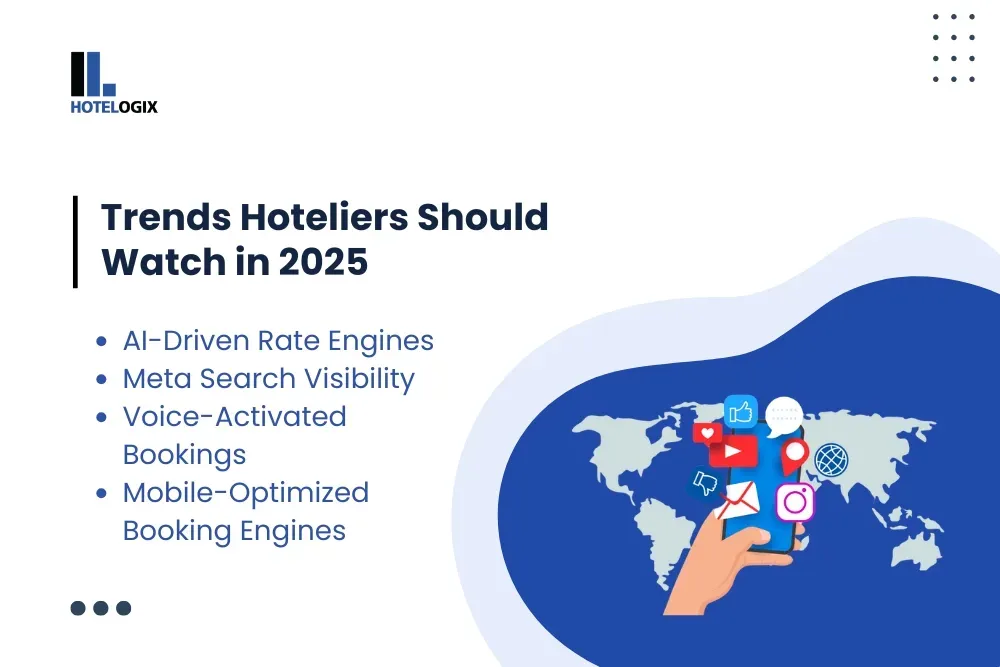
Hotels that want to capitalize on late-stage demand must align with evolving guest preferences and tech advancements:
- AI-Driven Rate Engines: Predict demand surges and adjust pricing in real time.
- Meta Search Visibility: Ensure rate parity to stay competitive on platforms like Google Hotels and Trivago.
- Voice-Activated Bookings: Optimize for search behavior like “hotels near me now.”
- Mobile-Optimized Booking Engines: Convert more guests through fast, frictionless web booking engine checkouts.
A well-integrated tech stack helps you capture bookings from every channel, across every timeframe.
Action Plan for Hoteliers
To efficiently manage last-minute bookings:
- Audit your current tech stack – How fast can you update your OTA inventory today?
- Implement an integrated channel manager – Eliminate manual updates across platforms.
- Enable GDS connect – Gain access to last-minute bookings from corporate clients and travel agents.
- Adopt smart rate rules – Set automation triggers for price increases as booking windows close.
- Train front office staff on booking visibility – So they’re not caught off guard during sudden spikes in occupancy.
These steps will not only improve operational efficiency but also boost revenue per available room (RevPAR).
Final Thoughts: Profit From the Pace
Last-minute bookings aren’t a threat—they’re a high-margin opportunity. The key is visibility, automation, and responsiveness. Hoteliers who embrace modern cloud-based systems can maximize occupancy, avoid operational chaos, and maintain a superior guest experience—even when bookings flood in at the eleventh hour.
With a reliable platform like Hotelogix powering your distribution strategy, you can confidently accept last-minute bookings across all channels—and make every room count.