

In the hospitality industry, every empty room is lost revenue — and every miscalculated rate or missed booking opportunity impacts your bottom line. That’s where demand management steps in. For hotel owners, GMs, and revenue managers, mastering demand management is not just helpful — it’s critical for achieving long-term profitability, maintaining competitive edge, and consistently delighting guests.
This article unpacks the real-world role of demand management in hotel operations, marketing, and revenue strategy, offering actionable insights relevant to today’s hotelier.
What is Demand Management in Hospitality?
Demand management is the process of forecasting, influencing, and responding to guest demand to optimize occupancy, revenue, and guest satisfaction. It integrates marketing, revenue management, distribution, and even product design to ensure the right room, at the right price, to the right guest, at the right time.
Core Components of Demand Management in Hotels
Here’s a quick breakdown of demand management areas most relevant to hotel operators:
1. Aligning Product Offering with Market Demand
Every hotel needs to define and cater to its primary market segments — whether that's business travelers, families, backpackers, or wellness-seeking tourists. Product decisions like:
- Room design and layout
- Amenity selection (e.g., co-working space, spa, kids’ zone)
- On-property dining and leisure experiences
…should be intentionally aligned to the expectations of those segments.
Example:
Failing to align your product offering with guest expectations leads to lower satisfaction and weaker conversion rates.
2. Strategic Channel Management: Maximizing Visibility and Revenue
Understanding where and how your guests book helps you focus on high-performing channels. Each channel has a different cost of acquisition and offers unique opportunities.
Channel Breakdown:
Hospitality Tip: Use OTAs to build visibility but implement a "Book Direct & Save" campaign to drive reservations through your own website and increase margin.
3. Forecasting and Dynamic Pricing: Staying Ahead of the Curve
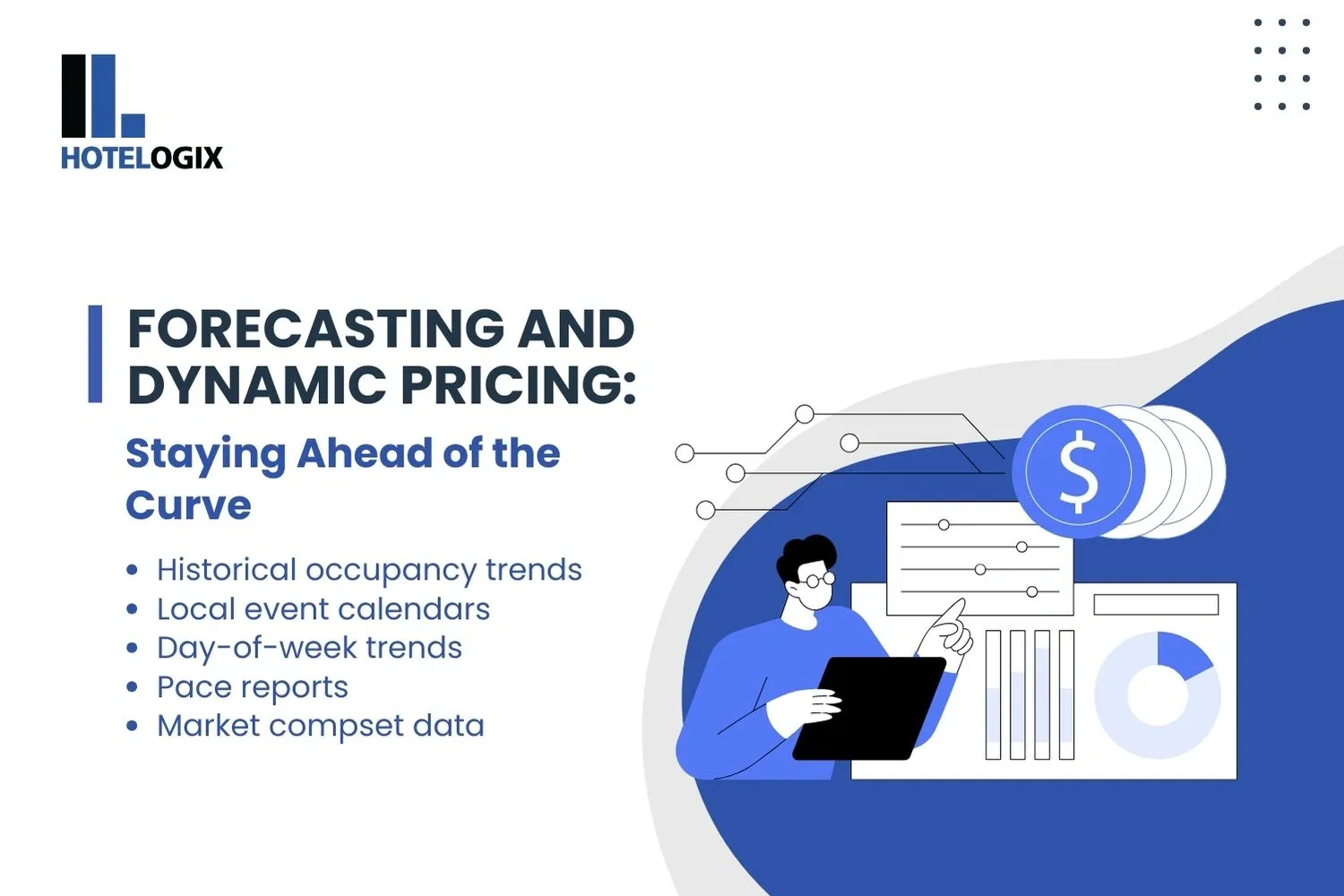
Occupancy and revenue are both driven by accurate forecasting and flexible pricing strategies.
Key Forecasting Inputs:
- Historical occupancy trends
- Local event calendars
- Day-of-week trends
- Pace reports
- Market compset data
According to PwC's May 2025 Hospitality Directions report, U.S. hotel occupancy is projected to reach 63.1% in 2025, with RevPAR expected to increase by 0.9% year over year to $101.16. The report cites "macroeconomic headwinds" and uncertainty in the tariff environment as key factors influencing hotel demand.www.businesstravelnews.com
Dynamic Pricing Strategies:
- Best Available Rate (BAR): Adjusted based on booking windows
- Length of Stay (LOS) Pricing: Discounts for extended bookings
- Upselling at Booking Stage: Higher category rooms with added perks
- Last-Minute Offers: Based on unsold inventory
Trend Note: More hotels are now using AI-powered revenue management systems that automatically adjust rates based on real-time demand, market parity, and booking behavior.
4. CRM and Guest Retention: Leveraging the Power of Loyalty
Retaining an existing guest is far cheaper than acquiring a new one. CRM plays a central role in demand management by turning one-time guests into loyal brand advocates.
Effective Tactics:
- Email marketing with personalized offers
- Guest anniversary or birthday discounts
- Post-stay surveys and review requests
- Loyalty programs with exclusive perks
Example: A returning guest who books directly via your website is more likely to accept upsells (e.g., spa package) because they trust your brand.
Recent data from Guestara (June 2025) reveals that personalized upselling represents a $28 billion global opportunity in hotel ancillary services. Hotels implementing AI-powered personalization for upselling have reported revenue increases of 200% or more, with 71% of travelers preferring brands that offer personalized recommendations.www.guestara.com
Tech Trend:
Hotels are integrating PMS + CRM + Marketing Automation to trigger offers at optimal times — e.g., sending a 15% discount 6 months after a guest’s last stay.
5. Online Reputation and Social Proof
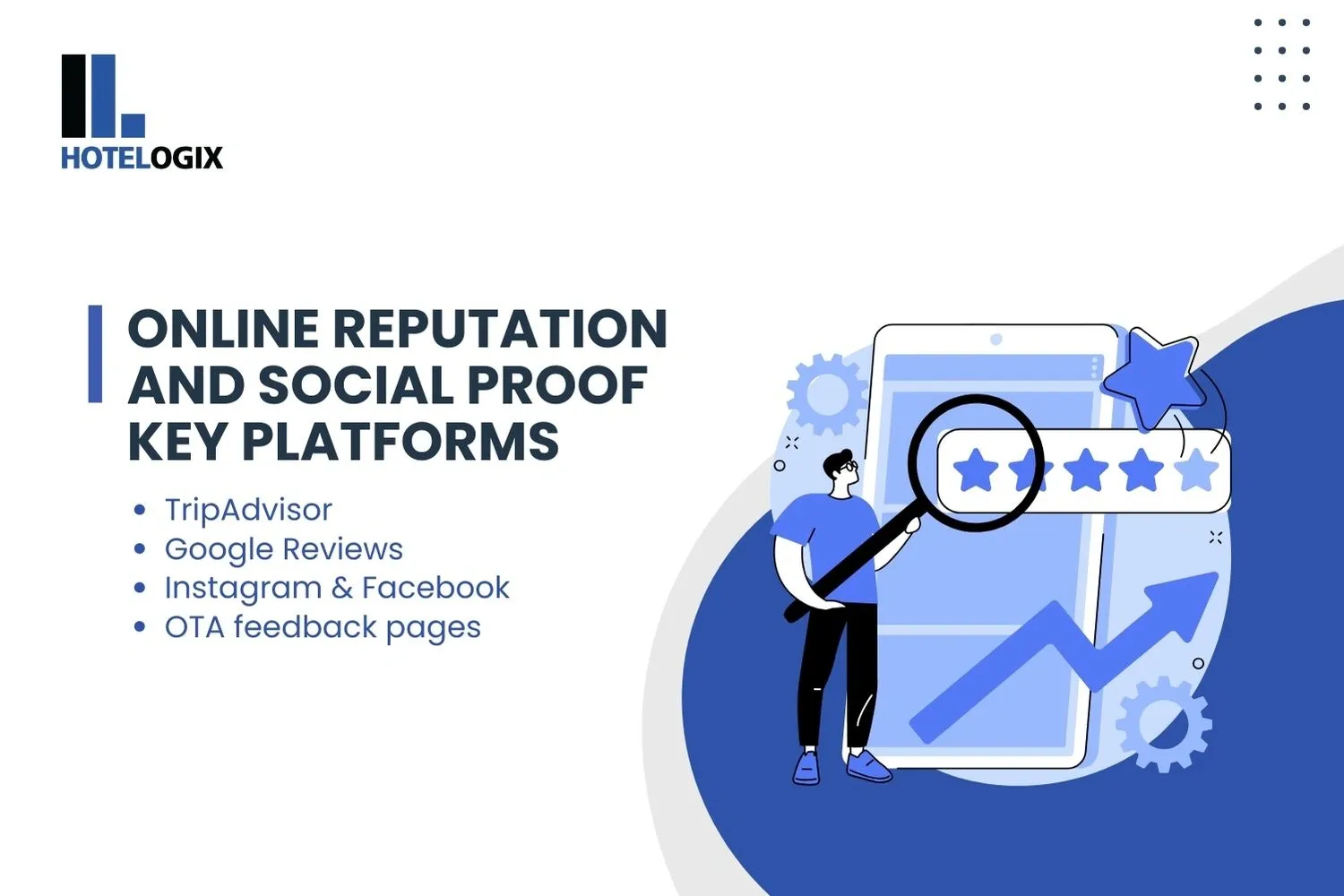
Today’s traveler doesn’t just rely on star ratings — they read reviews, check social media, and often make decisions based on peer feedback.
Key Platforms:
- TripAdvisor
- Google Reviews
- Instagram & Facebook
- OTA feedback pages
Action Steps:
- Respond to all reviews — especially negative ones
- Encourage satisfied guests to post photos and tag your property
- Create Instagrammable experiences within the property
Trend Insight: Visual storytelling and influencer partnerships now play a strong role in shaping demand, particularly in lifestyle and boutique segments.
6. Demand Management from Pre-Opening to Maturity
Demand management isn’t just for operational hotels — it starts pre-opening and evolves with the business.
Lifecycle Focus:
Pro Tip: Build flexible systems from the start — you’ll need them as your guest mix evolves.
7. Smart Tech Integration: Hotelogix as a Demand Management Enabler
Modern-day demand management requires agility, automation, and real-time insights. One of the most effective ways for hoteliers to keep pace with evolving booking patterns and guest expectations is through integrated technology platforms.
How Hotelogix Supports Demand Management
Whether you’re running a boutique hotel or managing a multi-property group, Hotelogix gives you a single control panel to manage availability, pricing, and guest relationships across all major sales channels — helping you convert demand into revenue with minimal friction.
Here’s how it aligns with the demand management strategies discussed above:
Conclusion
For today’s hotelier, demand management is no longer a back-office function. It’s a strategic engine that drives profitability, guest loyalty, and competitive advantage.
By aligning your product, optimizing your channel strategy, embracing dynamic pricing, and nurturing long-term guest relationships, your hotel can consistently attract the right guests — and keep them coming back.
Remember: It’s not just about filling rooms. It’s about filling the right rooms, at the right rate, to the right guests, through the right channel.