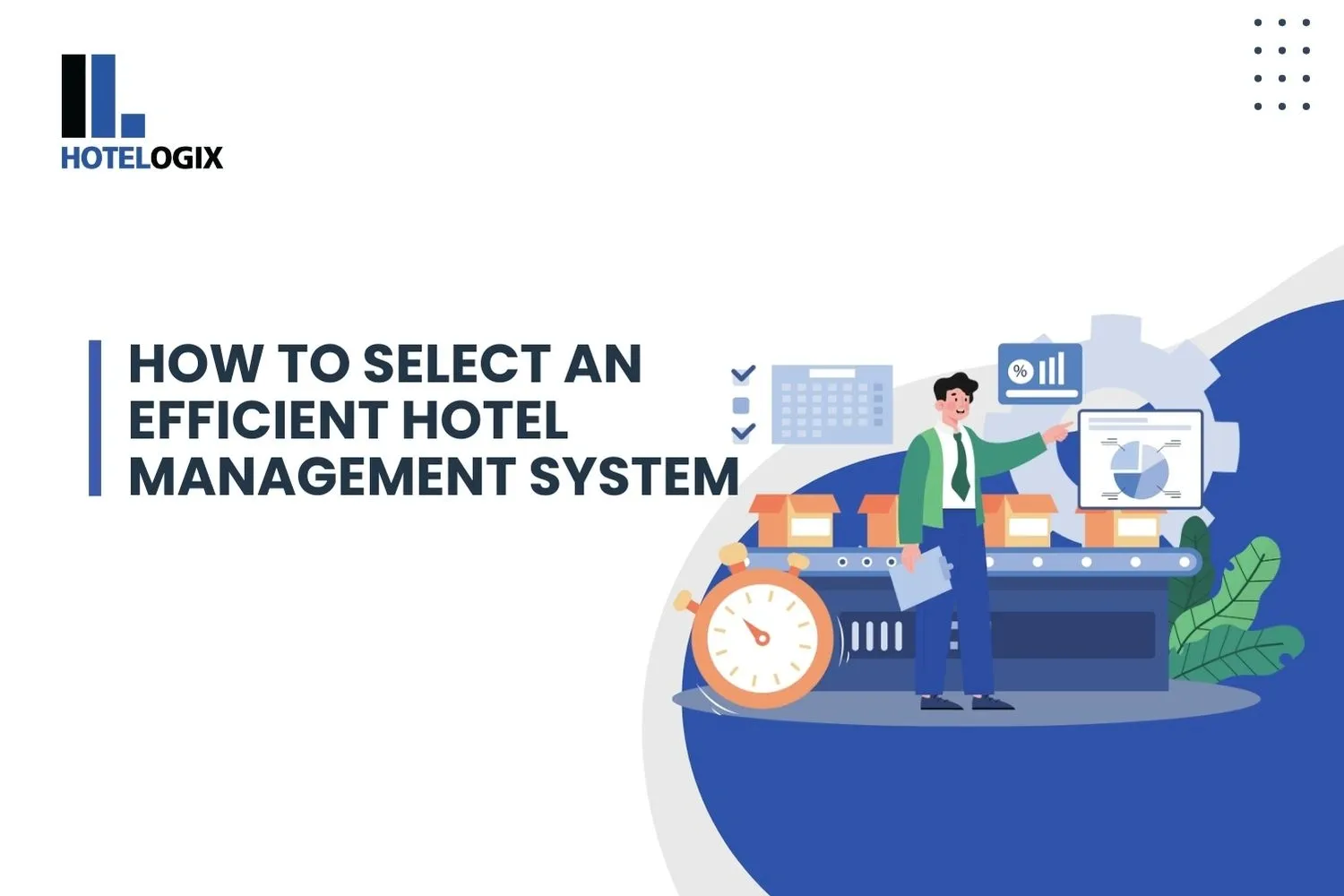

Running a successful hotel today takes more than warm hospitality—it requires digital precision. Whether you manage a boutique property, a multi-property chain, or a family-run heritage hotel, a powerful Hotel Management System (HMS) is critical to streamline operations, improve guest experiences, and drive profitability.
Choosing the right HMS is like hiring a star department head—it should lighten the operational load, bring consistency, and be scalable as your property grows.
Let’s break down what makes a hotel management system truly efficient and how hoteliers can select the right one in 2025.
Why Hoteliers Need an HMS Today
Modern guests expect faster check-ins, digital payments, personalized experiences, and prompt service. Without the right system in place, managing reservations, inventory, staff schedules, and billing becomes chaotic, especially during peak seasons.
A robust HMS takes care of:
- Real-time reservation and room availability
- Centralized guest history and preferences
- Integrated Point of Sale (POS) for F&B and spa
- Revenue management and analytics
- Housekeeping status tracking
- Channel manager sync (OTAs and direct bookings)
Common Operational Challenges Solved by HMS
Top Features Every Hotelier Should Look For
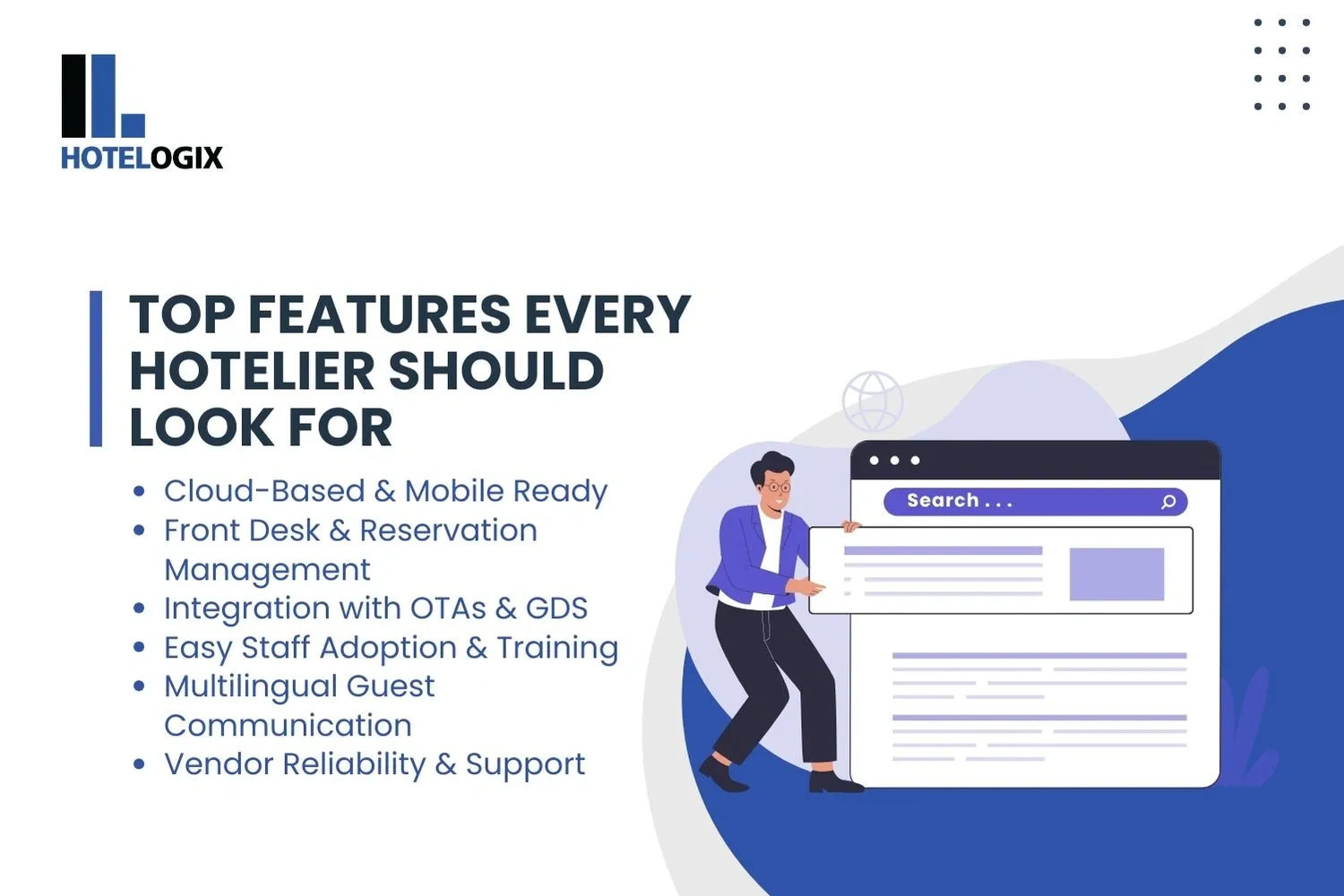
1. Cloud-Based & Mobile Ready
- Access your hotel dashboard from anywhere—whether you’re at a sister property or traveling for a hospitality expo.
- Real-time updates across all departments help minimize delays and miscommunication.
Pro Tip: Look for systems that offer dedicated mobile apps for staff and managers.
2. Front Desk & Reservation Management
Your front desk is the nerve center of your hotel. Your HMS should offer:
- Centralized calendar for bookings
- Drag-and-drop room assignments
- Guest preference capture
- Walk-in guest management
- Group bookings handling
3. Integration with OTAs & GDS
Your HMS should seamlessly connect with platforms like Booking.com, Agoda, and Expedia, along with traditional Global Distribution Systems (GDS). This helps:
- Avoid overbookings
- Centralize pricing and availability
- Streamline reservations from all channels
- Work in tandem with a channel manager to distribute inventory efficiently
- Support integration with a revenue management system to dynamically optimize room rates based on demand trends
4. Easy Staff Adoption & Training
Most hotel staff aren’t tech experts. The system should be intuitive enough to train new team members in a day or two.
Look for:
- User-friendly interface
- Tooltips and pop-up help guides
- Onboarding support from the vendor
- Multilingual capabilities for diverse teams
5. Multilingual Guest Communication
Hotels in tourist hotspots cater to guests from all over the world. The HMS should be able to:
- Generate invoices in the guest's preferred language
- Send pre-arrival and post-stay emails in multiple languages
- Support multi-currency billing
6. Vendor Reliability & Support
You're not just buying software—you're entering a long-term partnership. Here's what to check:
Scalability: Plan for Your Hotel’s Growth
Whether you’re adding 20 rooms next year or opening a new branch, your HMS should scale without breaking the bank.
Look for features like:
- Multi-property management under a single dashboard
- Central reporting for all units
- Unified loyalty and CRM modules
- Cloud hosting with unlimited user access
Product Spotlight: Hotelogix
With its cloud-based architecture and Real-time OTA management capabilities, Hotelogix eliminates the pain of double-bookings and revenue leakage that plague hotels using disconnected systems. The platform requires no bulky local installations and provides seamless access from anywhere, making it ideal for ambitious hotel businesses with expansion plans that need a system that grows alongside them.
Third-Party Integrations That Matter
Today’s hotel operations don’t run in isolation. Your HMS should support plug-and-play integrations with:
- POS systems – for restaurants, bars, and cafés
- PBX/EPABX systems – for in-room calling and front desk communication
- Payment gateways – for seamless online transactions
- CRM and Loyalty Programs – to track repeat guests and marketing campaigns
- Smart Room Tech – such as keyless entry, room controls, and IPTV
2025 Trends in Hotel Management Systems
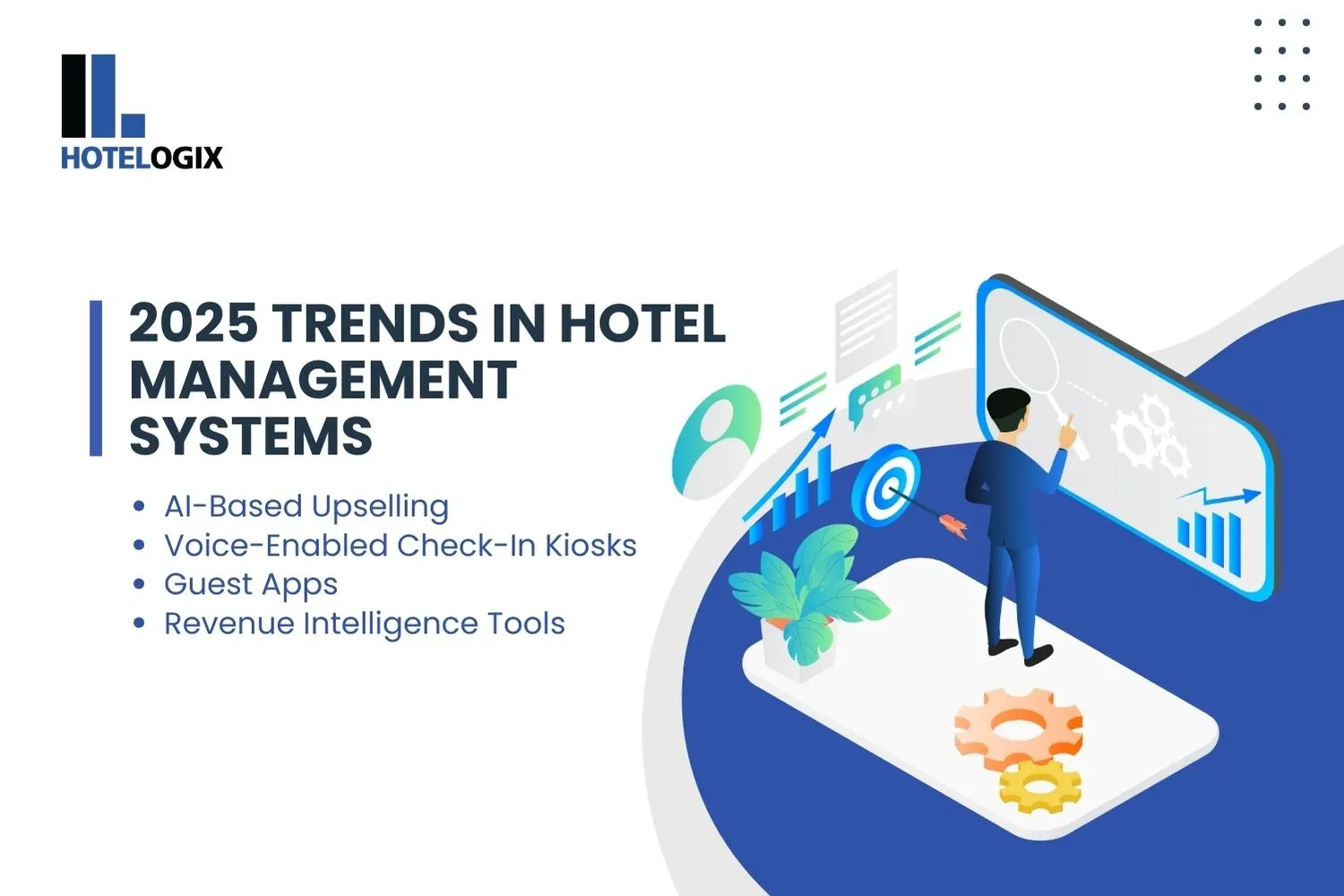
Stay ahead of the curve with these new features that leading hoteliers are adopting:
- AI-Based Upselling: Suggest room upgrades or F&B offers during the booking or check-in process. This is especially relevant as hotel performance metrics show luxury and upper-upscale hotels are significantly outperforming other segments, with RevPAR growth of about 4.2% year-over-year in early 2025, compared to just 1.9% in the economy segment.
- Voice-Enabled Check-In Kiosks: Reduce front desk load with smart kiosks
- Guest Apps: Let guests order room service, chat with staff, or extend their stay via app. Hotel Tech Report shares that a significant 89% of business travelers express a desire to extend their next business trip to include leisure time, making flexible options essential.
- Revenue Intelligence Tools: Predict demand, adjust rates dynamically, and maximize occupancy
Checklist for Selecting the Right HMS
Here’s a quick checklist to help you shortlist a suitable system:
✅ Cloud-based with mobile access
✅ Seamless OTA and GDS integration
✅ Scalable for multi-property use
✅ Built-in POS and Housekeeping module
✅ Multilingual support for guests and staff
✅ Customizable reports and analytics
✅ 24/7 customer support and training
✅ Positive reviews from hotels similar to yours
Final Thoughts
Selecting a Hotel Management System is not just a tech decision—it’s a business strategy. The right HMS allows you to shift focus from firefighting daily operations to enhancing guest satisfaction, optimizing revenue, and planning expansion.
Remember: the best system is not necessarily the most expensive or feature-heavy, but the one that aligns with your operational style, guest profile, and property vision.