

In the hotel business, negative reviews can happen—even when you run a good property. Guests may complain about delays, noise, or service—even if the team tries their best. Today, reviews are public and anyone can see them before booking.
That’s why it’s important for every hotelier to know how to handle reviews the right way.
This guide will help you manage guest complaints smartly. With the help of simple steps and hotel software tools like PMS guest feedback platforms, and review response systems, you can control the damage, protect your brand, and keep getting bookings.
1. Why Negative Reviews Happen in Hotels
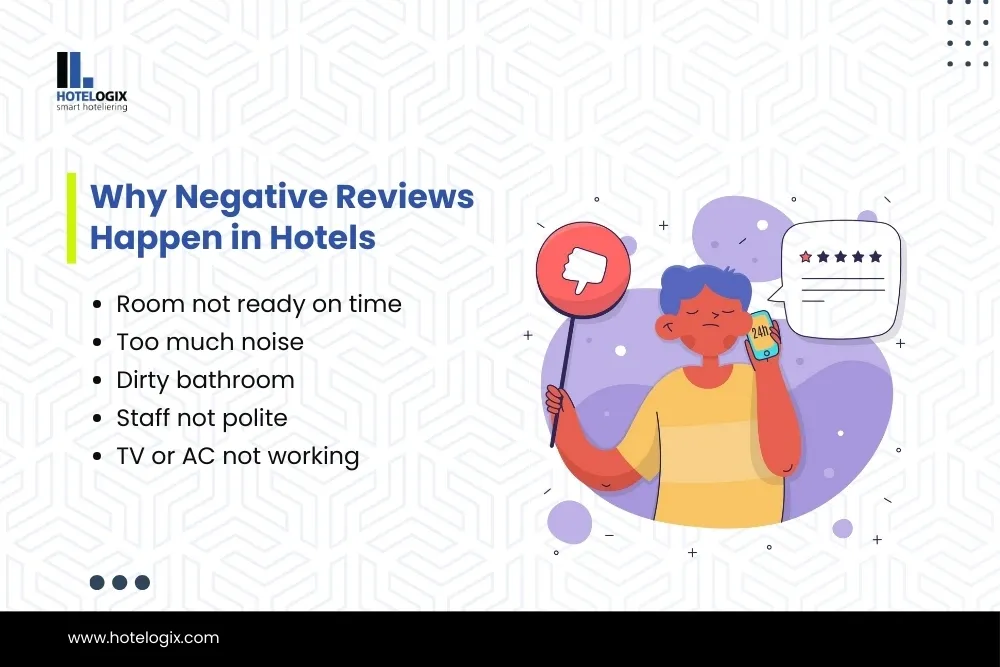
Even top-rated hotels get negative reviews. Maybe the guest didn’t like the food. Maybe the AC was not working. Or maybe they had a bad day and took it out in the review.
What matters is not the complaint—but how you reply and how fast you fix it.
Common Reasons for Negative Reviews
If you know the problem areas, you can stop complaints before they happen.
2. How Bad Reviews Affect Business
When you don’t reply to guest complaints online, it hurts your business. OTAs like Booking.com, Agoda, or MakeMyTrip check how many reviews you have and how you respond. That affects your ranking.
Why Reviews Matter:
- Most guests check reviews before booking
- More replies = More trust
- Ignoring complaints = Fewer bookings
- OTAs give better rank to hotels with good review handling
You may lose bookings—not because of what went wrong—but because you didn’t act on it.
3. 5 Simple Steps to Reply Professionally
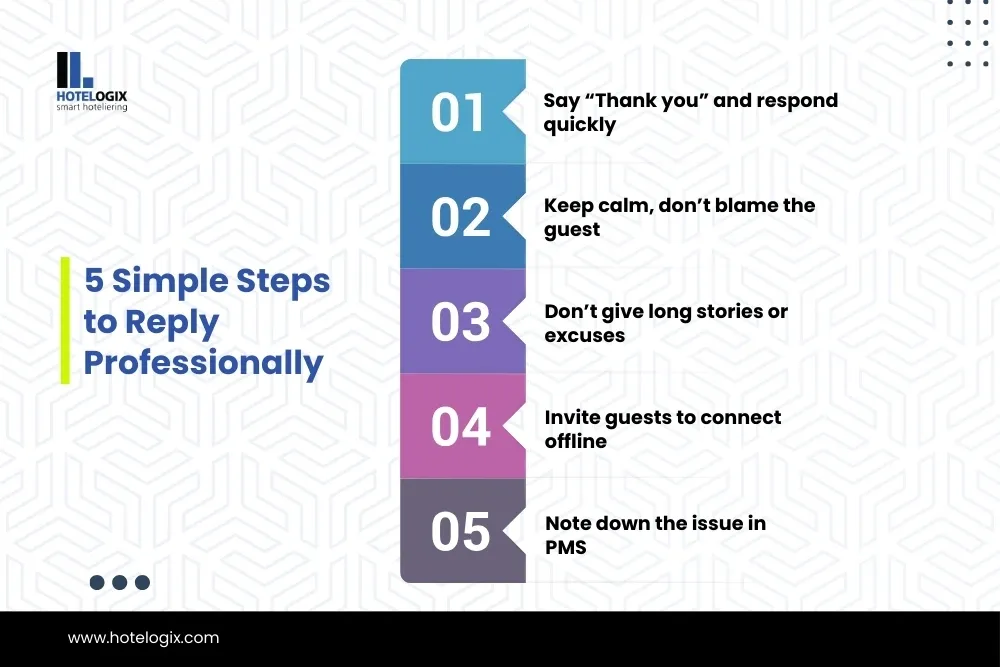
Many hoteliers don’t know what to say in a review reply. Some ignore it. Some reply emotionally. That’s not the right way. Here’s what works.
Sample Reply:
“Dear Guest, thank you for your feedback. We’re sorry the check-in was delayed. We’ve already spoken to our front desk and will ensure it doesn’t happen again. We hope to welcome you back with a better experience. Please contact us directly next time for any concerns.”
Use the same tone every time. If you run a busy hotel, use hotel review tools that help write replies faster.
4. How Hotel Technology Makes Review Handling Easier
When you get too many reviews from OTAs, Google, and TripAdvisor, it’s hard to track and reply to all of them. That’s why hotels are now using software tools to help manage guest feedback.
Useful Hotel Tools for Review Handling
What Hotelogix PMS Can Do
Benefits for hotel staff:
- See guest history and complaints together
- Quickly respond or take action
- Track which department had the issue
- Add notes for next time guest visits
This helps your team close the loop faster and avoid repeat issues. Hotelogix also supports reputation management by showing hotel owners which areas need improvement across departments.
If you manage more than one property, Hotelogix’s Central Reservation Office (CRO) lets your team track guest feedback across all locations—making it easier to follow brand standards and solve problems early.
5. How to Build a System for Long-Term Reputation
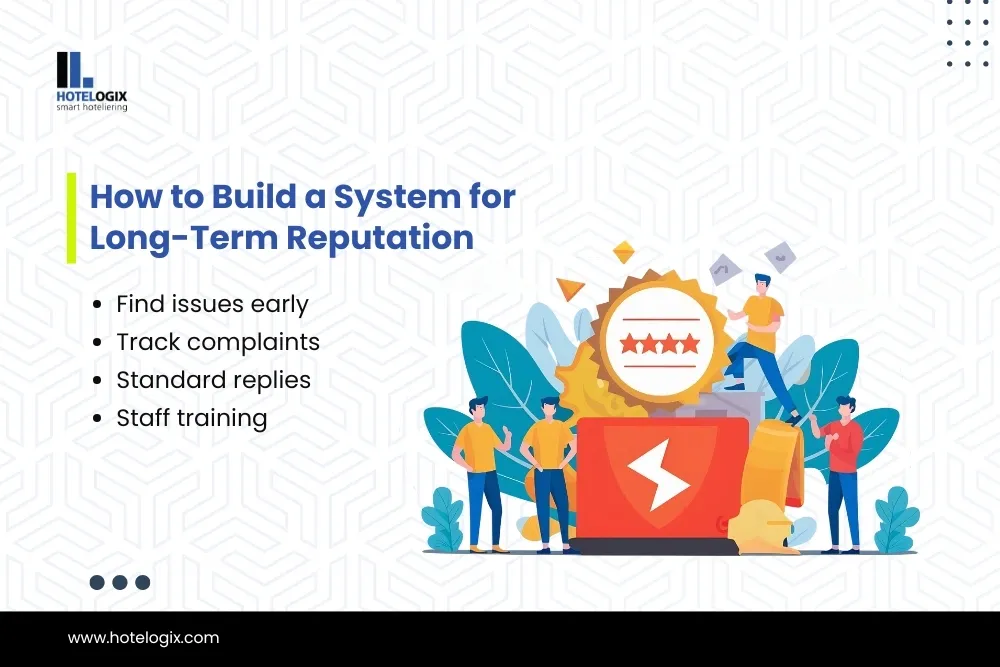
Don’t wait for bad reviews to pile up. Fixing one complaint is not enough. Hotels need a proper system to prevent and manage negative feedback.
Easy System to Set Up:
Review this system once every 2–3 months. Update what’s working. Drop what’s not.
6. Ways to Improve Your OTA Ratings
A better rating means more bookings. Here’s how top hotels are getting more 4-star and 5-star reviews:
Also, using tools like PMS, revenue management system, web booking engine, and channel manager ensures smoother operations—which leads to fewer complaints in the first place.
7. Final Word for Hotel Owners
In today’s world, guests read reviews before they book. One bad review, if not handled properly, can hurt your revenue. But one good reply, one fast action, and one thoughtful message can win back the guest—and impress future ones.
Use hotel tools to save time, reply better, and protect your hotel’s image. Systems like Hotelogix PMS, feedback platforms, and review response tools are now part of smart hotel operations.
Because in this business, how you respond matters just as much as what went wrong.