
Discover how data collection is transforming hotel operations. From improving guest satisfaction to driving bookings and enhancing loyalty programs, this blog dives into real-world applications and practical tools for hoteliers.
Why Data Is No Longer a Luxury—But a Necessity
In the fast-paced world of hospitality, where guest expectations are constantly evolving, data has become the new currency. Most hoteliers agree that guest satisfaction is critical to success—but how do you measure and act on it effectively?
The answer lies in structured data collection and smart analysis.
From understanding repeat guests to optimizing occupancy during low seasons, hoteliers today must use data to personalize service, optimize pricing, and improve operations.
What Kind of Data Should Hoteliers Be Tracking?
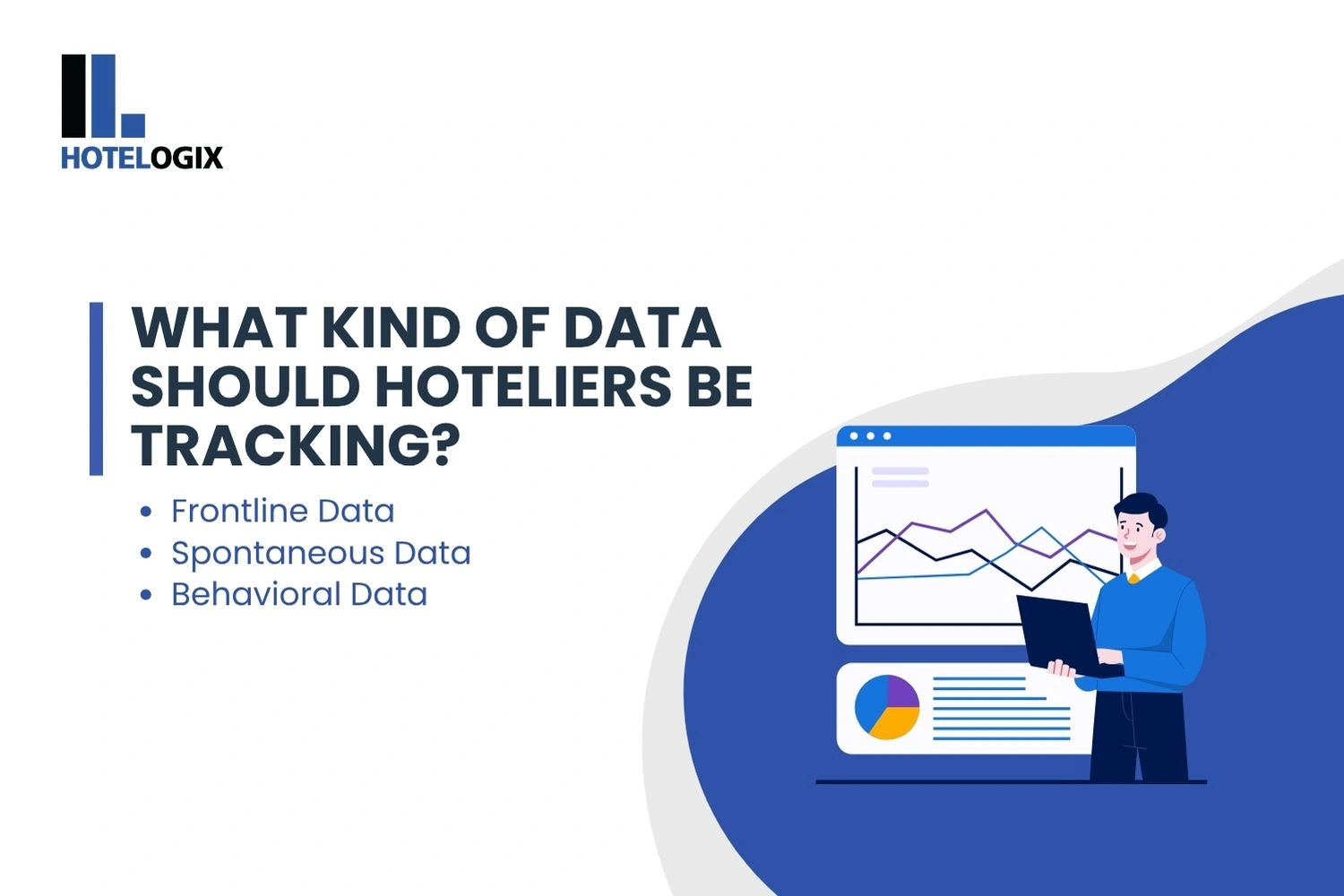
Let’s break it down into the three core categories of guest data, each with its own use case and method of collection:
Real-Life Examples:
- A guest always orders room service late at night—offers a personalized in-room dining package.
- Families book connecting rooms during holidays—use this insight for your seasonal campaigns.
- A business traveler prefers high floors and express check-in—automate this preference.
Where and How to Collect This Data
1. During Reservation & Check-In
Use your Property Management System (PMS) or integrated web booking engine to collect:
- Personal info (name, age, nationality)
- Reason for travel (business/leisure)
- Loyalty number (if any)
Recommended tools: Opera Cloud, eZee Absolute, Cloudbeds
2. During the Stay
Track service use and special requests through:
- Integrated Point of Sale (POS) systems (for spa, F&B, minibar)
- Housekeeping/maintenance apps (like HotSOS, ALICE)
3. Post-Stay
Collect feedback via:
- Guest satisfaction surveys
- Review monitoring platforms (like ReviewPro, TrustYou)
- CRM engagement (email opens, loyalty program usage)
Current Trends: How Leading Hotels Use Data
Dynamic Personalization
AI tools in CRMs and booking engines tailor guest offers in real-time based on past behavior.
Example: A guest who booked a weekend spa getaway is sent an exclusive massage package for their next stay.
Predictive Maintenance
IoT-powered sensors and guest feedback alerts help preempt room issues before they escalate.
Example: If a guest reports an AC issue twice, future check-ins into that room trigger an automatic inspection task.
Custom Pricing (Revenue Management)
Using guest booking trends and a smart revenue management system to create price segmentation.
Tools: Duetto, BEONx, RateGain
How to Use Data for a Better Guest Experience
1. Segment and Target Guests
Use your PMS and CRM data to categorize guests:
- Corporate travelers
- Couples on getaways
- Families with children
- Long-stay business clients
Then target them with offers like:
- Late checkout for corporates
- Family meal plans during school holidays
- Romantic add-ons for couples
2. Enhance Operational Efficiency
Combine occupancy data with staffing and housekeeping schedules to:
- Reduce overstaffing during low periods
- Prioritize room prep for early arrivals
- Pre-set rooms based on preference (pillows, temperature)
3. Improve Guest Retention
Use loyalty program data to:
- Identify VIP guests
- Offer upgrades
- Surprise them with gifts on repeat visits or birthdays
Social Listening: A Goldmine for Hoteliers
Online reviews, social media posts, and guest surveys offer unfiltered feedback. As part of an effective reputation management strategy, proactive hotels analyze this data to adjust and innovate.
Monitor Channels Like:
- TripAdvisor
- Google Reviews
- Booking.com reviews
- Instagram and Facebook comments
Actions You Can Take:
- Identify recurring complaints (e.g., slow Wi-Fi or no vegan options) and fix them
- Celebrate positive staff mentions (e.g., “Maria at the front desk was amazing”)
- Benchmark against competitors—what are they doing better?
Recommended tools: Mention, Sprout Social, Hootsuite Insights
Data-Driven Loyalty Programs: Building Repeat Business
A loyal guest is worth far more than a one-time high-paying one. Use historical data to build tiered loyalty programs that reward frequency, not just spend.
Example Loyalty Tiers Based on Data:
Use booking anniversaries or guest preferences to send personalized offers ahead of peak travel dates.
Product Focus: How Hotelogix Powers Data-Led Hospitality
One of the most valuable features of Hotelogix in the context of this discussion is its Centralized Guest History module.
How It Helps:
- Automatically stores detailed guest profiles across properties
- Enables front desk teams to access past preferences instantly
- Supports targeted communication and loyalty initiatives
- Integrates with OTAs and third-party systems for comprehensive data flow
By using Hotelogix, hoteliers can not only centralize guest information but also deliver personalized experiences even at scale—without complicating operations. This makes it easier to act on data, not just collect it.
Training and Culture: Getting Your Team Data-Ready
Even the best systems won’t work if your staff isn’t trained to capture and act on data.
Must-Have Training Areas:
- How to input accurate notes in the PMS
- Reading guest history before check-in
- Using mobile apps for real-time service logs
- Understanding basic data dashboards
Conduct quarterly refreshers and recognize team members who use data creatively to improve guest satisfaction.
4 Pillars of a Data-Driven Hotel Strategy
Monthly Review Checklist:
- Are we seeing repeat business from our top 20% guests?
- Which amenities are underutilized based on usage data?
- What’s the feedback trend on social channels?
Conclusion: Hospitality is Personal—So Should Your Data Be
Data isn’t meant to replace human hospitality—it’s meant to enhance it.
When a guest is greeted by name, offered their favorite drink, and placed in a room with their preferred view—it’s not luck, it’s data in action.
Today’s guests are tech-savvy and expect personalization. By capturing the right data and applying it thoughtfully, your property won’t just meet expectations—it will exceed them.
Whether you’re managing a boutique hotel or a large chain, the ability to collect, centralize, and act on guest data is your biggest advantage in creating meaningful guest experiences and achieving long-term growth.